Using 'Brain Stew': From Tweets to Texts, Master Mental Fog Talk
Ever felt like your thoughts are caught in a perpetual loop, simmering on a mental stovetop you just can’t turn off? That sticky, overheated headspace where worries, ideas, or even mundane tasks just keep replaying? If so, you’ve likely experienced what modern slang aptly dubs "brain stew." This vivid, relatable phrase has become a go-to for describing emotional fatigue, creative block, and the relentless churn of overthinking in our digital age. From casual texts to viral tweet threads, and even in the unexpected corners of pop culture like the NYT Connections puzzle where it appeared alongside "Jungle Gym," "brain stew" offers a human, humorous way to articulate our mental fog. This article dives deep into the meaning, usage, and broader cultural significance of "brain stew," offering practical insights into mastering this unique form of mental communication.
What Exactly is 'Brain Stew' Slang? Decoding the Mental Simmer
At its core, "brain stew" slang encapsulates that overwhelming sensation when your mind is perpetually on a low simmer, unable to cool down or settle. Imagine a pot on the stove, bubbling with the same ingredients – thoughts, worries, anxieties – circling endlessly without resolution. It’s a feeling of mental entrapment, where focus becomes fuzzy, and a heavy cloud descends upon your cognitive clarity.
This evocative phrase perfectly captures the essence of several common mental states:
*
Anxiety and Overthinking: When your mind latches onto a particular concern, dissecting it from every angle, often without reaching a conclusion.
*
Burnout and Emotional Fatigue: The sheer exhaustion that comes from prolonged mental effort or stress, leaving your brain feeling frazzled and ineffective.
*
Creative Blockage: For artists, writers, or anyone needing to generate new ideas, "brain stew" can describe the frustration of a mind that’s working overtime but producing nothing fresh.
*
Intrusive Thoughts: Unwanted thoughts that pop into your head and refuse to budge, creating a distracting and often uncomfortable loop.
While not a formal medical diagnosis, "brain stew" serves as a powerful, shared language to describe a subjective and universally understood human experience. It strips away the clinical jargon, allowing for a more open, often humorous, acknowledgment of mental struggle. The phrase likely draws from older meanings of "stew" – as documented by Merriam-Webster – which include to fret or worry. Its cultural echo was certainly amplified by Green Day’s iconic 1996 song "Brain Stew," though the slang usage today leans more into an everyday mood report than punk rock angst. To dive deeper into its origins and nuances, you might find
Decode 'Brain Stew' Slang: Overthinking, Burnout, and Its Origins particularly insightful.
Navigating the Digital Fog: How to Use 'Brain Stew' in Texts & Tweets
One of the reasons "brain stew" has resonated so strongly is its adaptability and ease of use in digital communication. In a world of character limits and quick exchanges, it offers a concise, visual, and relatable way to convey complex mental states. It's the perfect one-liner for when you're overwhelmed but don't want to launch into a lengthy explanation.
Here’s how you can effectively deploy "brain stew" in your everyday digital interactions:
*
As a Standalone Mood Update: A simple "Ugh, brain stew over here 😵💫🍲" in a DM or group chat immediately signals your state of mind. The emoji pairing brilliantly nails the mood, depicting both the dizziness and the simmering pot.
*
To Explain Quietness or Lack of Focus: "Sorry if I'm quiet, full brain stew about that presentation." This offers an honest, non-excuse explanation for your current demeanor.
*
In Response to Overwhelming Situations: "Midterm study brain stew is real. Can’t focus, brain just loops the same paragraph." or "Honestly, I’m in brain stew about plans this weekend. RSVP chaos!" These examples show how it seamlessly integrates into sentences to describe specific stressors.
*
With a Touch of Humor or Drama: "I have brain stew about my group project. Send help!" People appreciate the slight absurdity of picturing a simmering pot inside a skull, fostering empathy and connection.
*
On Social Media Captions: From TikTok to Instagram, "brain stew" has become a popular, funny-but-relatable status update, often paired with a weary sigh or a knowing wink.
The key to using "brain stew" effectively is authenticity and tone. It signals self-awareness and a willingness to share a slice of your mental landscape without sounding overly clinical or demanding. It's a way of saying, "My brain is doing its own thing right now, and I'm just along for the ride."
Beyond Slang: The 'Brain Stew Jungle Gym' Connection in Pop Culture & Puzzles
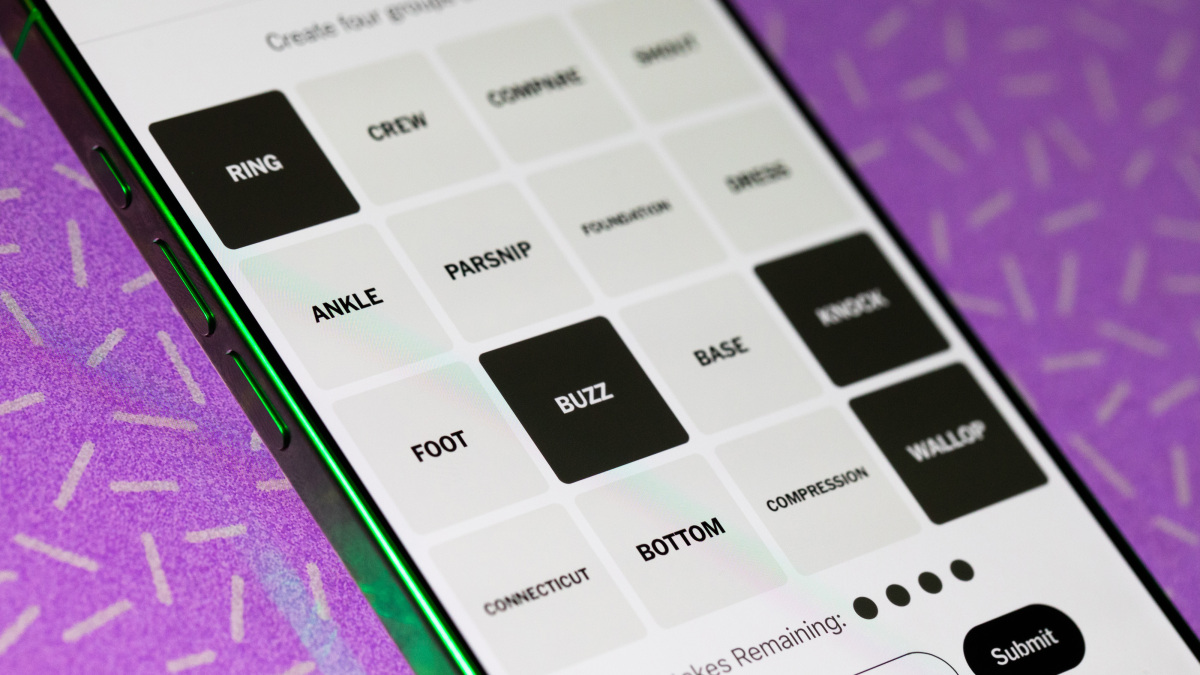
While "brain stew" is widely understood as a slang term for mental fog, its appearance alongside "Jungle Gym" might initially seem puzzling. This intriguing pairing comes from the popular *New York Times Connections* game, where words are grouped into categories based on shared, often subtle, characteristics.
In one particular *Connections* puzzle, "BRAIN STEW" and "JUNGLE GYM" were grouped together in the challenging "purple" category, whose theme was revealed to be "ENDING IN NICKNAME HOMOPHONES." This is where the magic of linguistic play comes in:
*
Brain Stew: The word "Stew" at the end sounds phonetically like the nickname "Stu."
*
Jungle Gym: The word "Gym" at the end sounds phonetically like the nickname "Jim."
This connection highlights how "Brain Stew Jungle Gym" isn't a combined slang term or a single conceptual entity, but rather an instance where the individual terms are linked by a clever linguistic trick within a puzzle context. It demonstrates the playful nature of language and how words can connect in unexpected ways, far beyond their primary meanings. This specific NYT Connections category proved particularly tricky for many, making the "Brain Stew Jungle Gym" grouping a memorable pop culture reference for wordplay enthusiasts. For an in-depth look at this specific puzzle and its clever clues, refer to
NYT Connections: Brain Stew, Jungle Gym, and Homophone Clues.
Practical Strategies for Cooling Your 'Brain Stew' (and Climbing the 'Jungle Gym' of Life)
Acknowledging you have "brain stew" is the first step, but what can you do to cool that mental simmer? Just as a jungle gym offers various paths and challenges, navigating mental fog requires a mix of strategies. Here are some actionable tips to help you move from mental stagnation to clarity:
*
Take a "Cool-Down" Break: Sometimes, the best solution is simply stepping away. A short walk, some light stretching, or even a five-minute digital detox can help reset your mental thermostat. Physical movement can disrupt the thought loop.
*
Mindfulness and Meditation: Practices like deep breathing or guided meditation can train your mind to observe thoughts without getting entangled in them. This helps you identify the "stew" without letting it consume you.
*
Journaling or Brain Dump: Jotting down everything swirling in your head can be incredibly cathartic. Getting thoughts out of your brain and onto paper can often reveal patterns, reduce their intensity, and free up mental space.
*
Talk it Out (with a trusted friend or professional): Articulating your "brain stew" to someone else can provide perspective. A fresh ear might offer solutions or simply validate your feelings, making the mental burden feel lighter.
*
Set Digital Boundaries: Constant notifications and endless scrolling can contribute to mental overload. Schedule periods of unplugging to give your brain a break from the constant influx of information.
*
Prioritize and Break Down Tasks: If your brain stew is fueled by overwhelming to-do lists, break large tasks into smaller, manageable steps. Focusing on one micro-task at a time can prevent the "simmer" from boiling over.
*
Engage in Creative Outlets: Paradoxically, when creativity feels blocked, engaging in a different form of creative expression (like doodling, playing music, or even cooking) can sometimes clear the path for fresh ideas.
*
Seek Professional Support: If "brain stew" becomes a persistent, debilitating state, affecting your daily life, don't hesitate to reach out to a mental health professional. Therapists can provide tools and strategies to manage anxiety, rumination, and burnout more effectively.
Just as a child navigates the various structures of a jungle gym, climbing, swinging, and sliding to reach new perspectives, you too can find different ways to move through and overcome periods of mental fog. The goal isn't to eliminate all challenges, but to develop the agility to navigate them.
In conclusion, "brain stew" has firmly established itself as a vibrant and vital piece of modern slang, offering a universally understood shorthand for the often-unspoken experience of mental fog and overwhelm. From its everyday utility in digital communication to its clever inclusion in word puzzles like the NYT Connections (linking "Brain Stew Jungle Gym" through homophones), the phrase underscores our collective need to acknowledge and articulate our inner mental landscapes. By understanding its meaning, mastering its usage, and employing strategies to cool the mental simmer, we can all become more adept at navigating our thoughts and fostering clearer, more resilient minds in our increasingly complex world.